Turkey Salad Recipe: The Best Creamy Leftover Turkey Salad
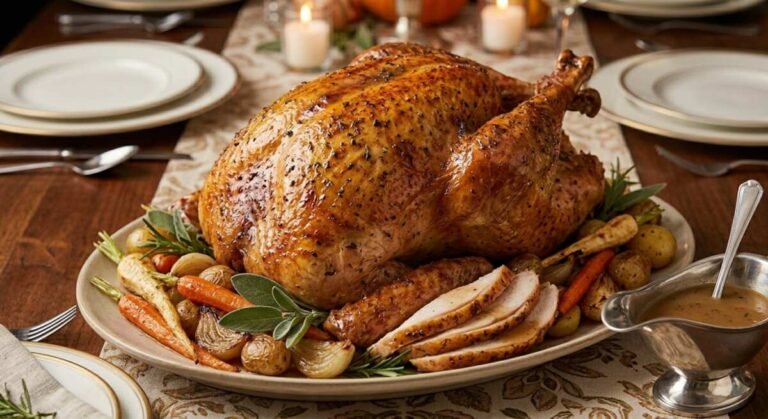
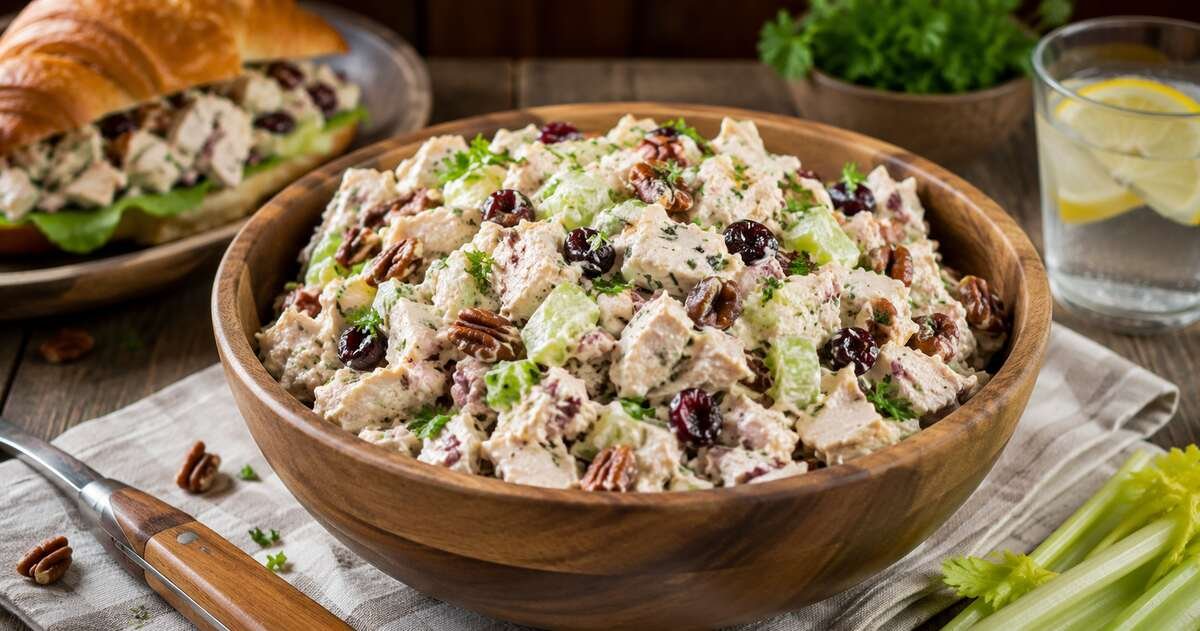
Turkey salad recipe gives leftover turkey a fresh and delicious purpose. You can combine tender turkey, crisp vegetables, creamy dressing, and flavorful herbs to create a meal that works for lunch, dinner, or meal prep. This simple recipe comes together in minutes and delivers rich flavor in every bite.
Many people look for new ways to use holiday leftovers without making the same dishes repeatedly. A homemade leftover turkey salad tastes fresh, stays satisfying, and works as a sandwich filling, lettuce wrap, or light salad bowl. You can also customize the recipe with healthy ingredients like Greek yogurt or keep it classic with mayonnaise.
This guide shares professional techniques, tested ingredient ratios, food safety tips, and unique texture methods that help you prepare the best turkey salad every time.
Why This Turkey Salad Recipe Stands Out
A great turkey salad depends on more than mixing cooked turkey with mayonnaise. Every ingredient should add texture, freshness, and balance. Crisp celery adds crunch, lemon juice brightens the dressing, and Dijon mustard ties every flavor together.
This recipe also follows professional kitchen techniques that reduce watery dressing, improve texture, and keep every bite creamy without becoming heavy. Whether you prepare a healthy turkey salad with yogurt or a classic leftover turkey salad with grapes and celery, these methods will improve your results.
What Makes This Recipe Better?
- Uses leftover roasted turkey without drying it out.
- Creates a creamy turkey salad dressing that stays smooth.
- Includes balanced flavors from sweet, savory, crunchy, and tangy ingredients.
- Works for sandwiches, wraps, crackers, and salads.
- Stores well for meal prep.
Perfect Occasions to Serve Turkey Salad
| Occasion | Why It Works |
| Holiday leftovers | Uses Thanksgiving turkey efficiently. |
| Quick lunch | Takes only a few minutes to prepare. |
| Meal prep | Keeps well for several days. |
| Picnic | Travels easily in chilled containers. |
| Sandwich filling | Creates a rich and creamy filling. |
Ingredients for the Best Turkey Salad Recipe
Fresh ingredients create the best flavor and texture. Cold turkey also helps the dressing coat every piece evenly.
Main Ingredients
| Ingredient | Amount |
| Diced cooked turkey breast | 4 cups |
| Light mayonnaise | ½ cup |
| Plain Greek yogurt | ¼ cup |
| Dijon mustard | 1 teaspoon |
| Fresh lemon juice | 1 tablespoon |
| Chopped celery | 1 cup |
| Green onions | ¼ cup |
| Dried cranberries | ⅓ cup |
| Toasted pecans | ⅓ cup |
| Fresh tarragon | 1 tablespoon |
| Salt | To taste |
| Black pepper | To taste |
Optional Add-Ins
- Red grapes
- Chopped apples
- Fresh parsley
- Chopped walnuts
- Sliced almonds
- Avocado
- Fresh dill
How to Make Turkey Salad
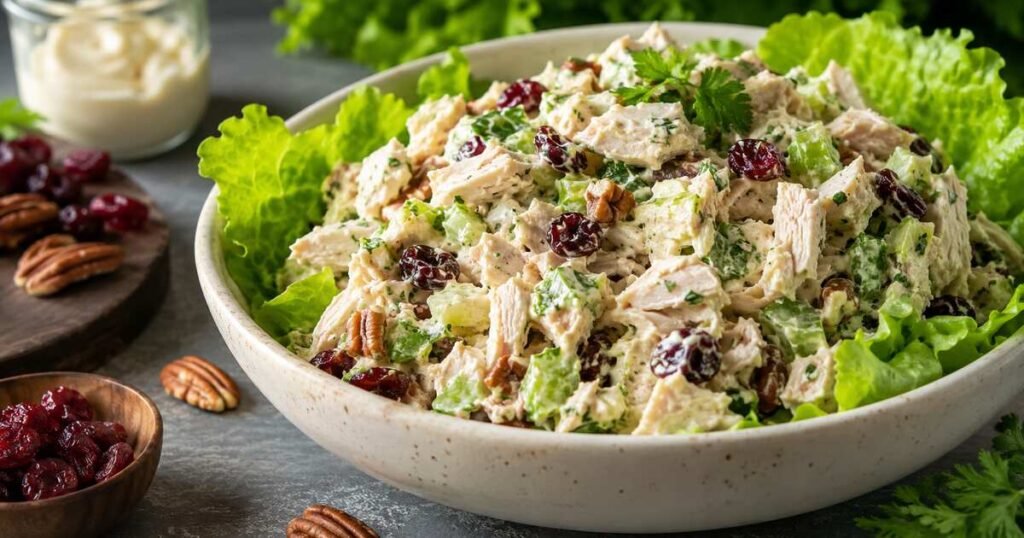
Step 1: Prepare the Turkey
Dice chilled turkey breast into even pieces. Keep the turkey cold because cold meat holds the dressing better and stays firm.
Step 2: Mix the Dressing
Whisk together mayonnaise, Greek yogurt, Dijon mustard, lemon juice, salt, pepper, and chopped tarragon until smooth.
Step 3: Add the Vegetables
Mix celery, green onions, cranberries, and toasted pecans into the dressing.
Step 4: Fold in the Turkey
Add the turkey gently. Fold everything together instead of stirring aggressively. Gentle mixing keeps the turkey pieces intact.
Step 5: Chill Before Serving
Cover the bowl and refrigerate for at least 30 minutes. Chilling allows the flavors to blend and improves the texture.
Step 6: Serve
Serve the turkey salad on bread, croissants, crackers, lettuce cups, or fresh greens.
The Emulsion Integrity Matrix
The dressing determines how well turkey salad holds together over time. Different fat levels affect moisture, texture, and sandwich quality.
| Dressing Base | Fat Content | 24-Hour Separation | Bread Absorption | Texture |
| Traditional Mayonnaise | High (70–80%) | 0% | Low | Rich and creamy |
| Mayo + Greek Yogurt | Medium (35–40%) | 3% | Low-Medium | Tangy and balanced |
| Plain Greek Yogurt | Very Low | 14% | High | Tart and slightly chalky |
| Mayo + Avocado Oil Emulsion | High | 0% | Low | Smooth and velvety |
Pro Tip
Add 1 teaspoon Dijon mustard for every cup of Greek yogurt. Dijon acts as a secondary emulsifier and helps reduce moisture separation while keeping the dressing smooth.
The Dual-Cut Texture Protocol
Professional kitchens rarely cut every piece of turkey the same way. Different cuts create a better eating experience.
The Base Foundation (70%)
Cut cold turkey breast into ½-inch cubes. These cubes hold their shape and allow the dressing to coat the outside without becoming soggy.
The Binder Accent (30%)
Hand-shred darker meat or tender breast strips into thin fibers. These strands absorb the dressing and naturally bind the salad together, reducing the need for extra mayonnaise.
The combination creates a creamy turkey salad with excellent texture in every bite.
Healthy Variations of Turkey Salad Recipe
You can customize this easy turkey salad recipe to match different diets and personal tastes. Small ingredient changes create completely different flavors while keeping the salad creamy and satisfying.
Healthy Turkey Salad with Greek Yogurt
Replace most of the mayonnaise with plain Greek yogurt. Greek yogurt adds protein, reduces fat, and creates a light, tangy dressing. Add Dijon mustard and fresh lemon juice to maintain a smooth consistency.
Turkey Salad Without Mayo
Mash a ripe avocado with lemon juice, Dijon mustard, and olive oil to create a creamy dressing without mayonnaise. This version works well for people who want healthier fats and a fresh flavor.
Keto Turkey Salad
Skip the dried cranberries and grapes. Add more celery, avocado, bacon, and chopped pecans. This version stays low in carbohydrates while providing plenty of healthy fats.
Southern Turkey Salad
Mix in chopped hard-boiled eggs, sweet pickle relish, celery, and a pinch of paprika. This classic Southern-style turkey salad tastes rich and comforting.
Thanksgiving Leftover Turkey Salad
Combine roasted turkey with celery, dried cranberries, toasted pecans, fresh herbs, and a creamy dressing. Serve it on buttery croissants or toasted sourdough for an easy meal after the holidays.
Expert Tips for the Best Turkey Salad
Small details make a big difference. Professional kitchens follow these techniques to create turkey salad that stays creamy and fresh.
Chill Every Ingredient First
Cold turkey, celery, and dressing mix together more easily than warm ingredients. Chilled ingredients also reduce excess moisture inside the salad.
Toast the Pecans
Toast pecans for 3–5 minutes before adding them. Toasting brings out their natural oils and creates deeper flavor.
Cut Vegetables Evenly
Dice celery and green onions into small, uniform pieces. Even cuts improve texture and distribute crunch throughout the salad.
Add Lemon Juice Last
Fresh lemon juice brightens the dressing without overpowering the herbs. Stir it in after combining the mayonnaise and yogurt.
Let the Salad Rest
Refrigerate the finished salad for at least 30 minutes before serving. The resting time allows every ingredient to absorb the dressing.
Food Safety and Storage Guide
Safe food handling protects both flavor and quality. Follow these storage recommendations whenever you prepare leftover turkey salad.
Food Safety Timeline
| Stage | Recommendation |
| Day 0 | Roast the turkey and cool it properly. |
| Within 2 Hours | Refrigerate cooked turkey immediately. Reduce this to 1 hour if the room temperature exceeds 90°F (32°C). |
| Days 1–3 | Prepare and enjoy turkey salad during this period for the best quality. |
| Day 4 | Finish any remaining turkey salad or discard leftovers. |
Safe Storage Temperature
Store turkey salad in an airtight glass container at 38°F (3°C) or below. A consistent cold temperature slows bacterial growth and keeps the dressing fresh.
Can You Freeze Turkey Salad?
Do not freeze mayonnaise-based turkey salad. Freezing breaks the oil-and-water emulsion, causing the dressing to separate after thawing.
Instead, freeze plain diced turkey for up to 3 months. Prepare the dressing after thawing for the best texture.
Common Mistakes to Avoid
Many turkey salads become watery or bland because of simple preparation mistakes. Avoid these common problems to achieve better results.
Using Warm Turkey
Warm turkey releases moisture into the dressing and creates a watery salad. Always cool the turkey completely before mixing.
Overmixing the Salad
Aggressive stirring breaks apart the turkey and vegetables. Fold the ingredients gently to preserve texture.
Adding Too Much Dressing
Too much dressing overwhelms the turkey and makes sandwiches soggy. Start with less dressing and add more only if needed.
Skipping the Chilling Time
Freshly mixed turkey salad tastes good, but chilled turkey salad tastes even better. Refrigeration allows the herbs and seasonings to blend into every bite.
Ignoring Texture Balance
Use crunchy vegetables, creamy dressing, tender turkey, and a sweet ingredient like dried cranberries or grapes. Balanced textures create a more satisfying salad.
Serving Ideas for Turkey Salad Recipe
Turkey salad works well in many different meals. You can enjoy it beyond the traditional sandwich.
| Serving Option | Why You’ll Love It |
| Croissant Sandwich | Rich, buttery, and perfect for lunch. |
| Whole Wheat Bread | A classic and filling meal. |
| Lettuce Wraps | A fresh low-carb option. |
| Stuffed Avocados | Creamy, healthy, and elegant. |
| Crackers | Great for quick snacks or appetizers. |
| Mixed Green Salad | Adds extra vegetables for a lighter meal. |
| Tortilla Wrap | Easy to pack for work or school lunches. |
Nutrition Highlights
The exact nutrition depends on your ingredients, but this recipe provides a balanced combination of protein, healthy fats, vitamins, and minerals.
| Nutrient | Main Source | Benefit |
| Protein | Turkey breast | Supports muscle maintenance and keeps you full. |
| Healthy Fat | Mayonnaise, pecans | Provides lasting energy and improves flavor. |
| Fiber | Celery, cranberries | Supports healthy digestion. |
| Calcium | Greek yogurt | Helps maintain strong bones. |
| Vitamin C | Lemon juice | Supports immune function. |
| Antioxidants | Herbs and cranberries | Help protect cells from oxidative stress. |
Conclusion
Turkey salad recipe transforms leftover turkey into a fresh, creamy, and satisfying meal. Crisp celery, toasted pecans, dried cranberries, and a balanced dressing create rich flavor and excellent texture. The Dual-Cut Texture Protocol and Emulsion Integrity Matrix help you prepare a turkey salad that stays creamy without becoming watery.
Whether you serve it as a sandwich, lettuce wrap, salad bowl, or quick lunch, this recipe delivers consistent results every time. Follow the storage and food safety guidelines, experiment with healthy variations, and enjoy a homemade turkey salad that tastes just as good the next day.
FAQs
1:Can I use leftover Thanksgiving turkey for this turkey salad recipe?
Yes. Thanksgiving leftovers work perfectly. Cool the turkey quickly, refrigerate it within the recommended time, and use it within 3 days for the best flavor and food safety.
2:What is the best dressing for turkey salad?
A mixture of light mayonnaise, plain Greek yogurt, Dijon mustard, and fresh lemon juice creates a creamy dressing with balanced flavor. It stays smooth and adds richness without becoming too heavy.
3:Can I make turkey salad without mayonnaise?
Yes. You can replace mayonnaise with mashed avocado, plain Greek yogurt, or a combination of olive oil and Dijon mustard. Each option creates a different flavor and texture.
4:How long does homemade turkey salad last?
Store turkey salad in an airtight container at 38°F (3°C) or below. Eat it within 3 to 4 days for the best quality and safety.
5:Should I use diced or shredded turkey?
Use both for the best results. Dice about 70% of the turkey into ½-inch cubes and shred the remaining 30%. This combination improves texture and helps the dressing coat every bite evenly.