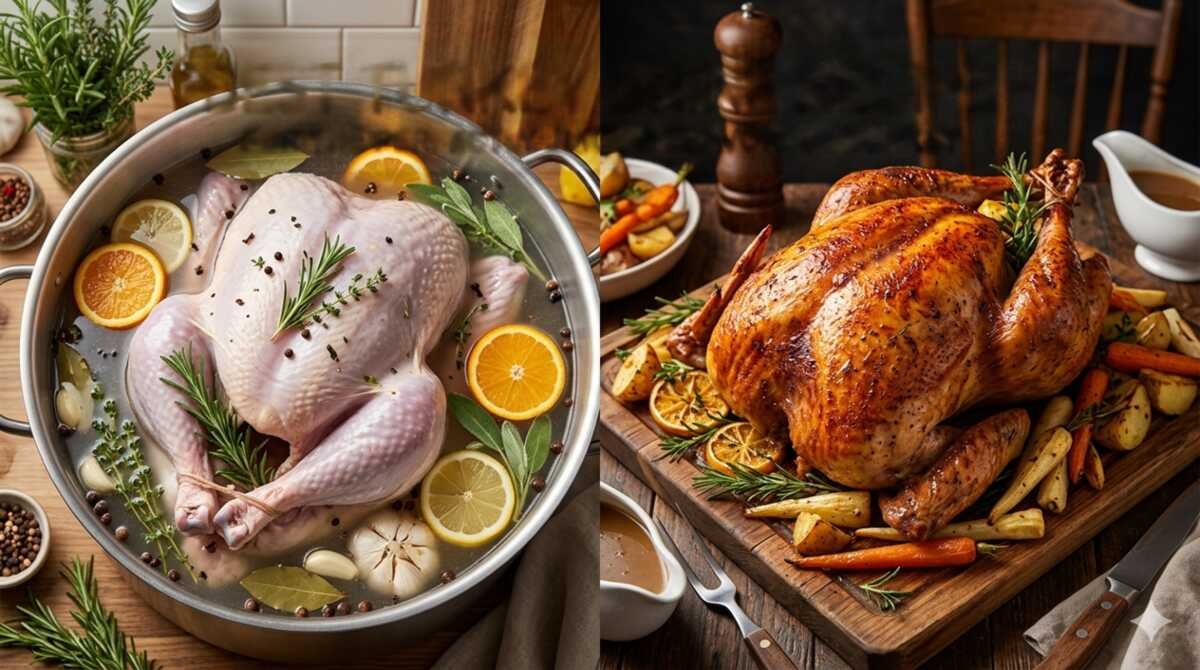
Best Turkey Brine Recipe: Complete Turkey Brining Guide for Juicy, Flavorful Results
A great turkey can turn a holiday meal into a memorable feast. If you want moist meat, rich flavor, and crispy skin, brining gives you one of the most reliable ways to succeed. In this complete turkey brining guide, you will learn how to brine a turkey, choose between dry brine vs wet brine turkey methods, use the right salt-to-water ratio for turkey brine, and roast a bird with restaurant-quality results.
Whether you need an easy turkey brine for beginners or want to understand the science behind moisture retention, this guide covers every step.
Why You Should Brine a Turkey
Turkey meat dries out faster than many other proteins, especially the breast meat. Brining solves that problem by helping the meat retain water and absorb seasoning.
Benefits of Brining
- Increases moisture retention
- Seasons meat more evenly
- Improves texture
- Reduces risk of dry breast meat
- Enhances flavor with herbs and aromatics
How Brining Works
Salt changes the structure of muscle proteins. Those proteins hold more liquid during cooking, which helps the turkey stay juicy.
Dry Brine vs Wet Brine Turkey: Which Method Works Best?
Both methods can produce excellent results. Your schedule, refrigerator space, and desired texture should guide your choice.
| Feature | Dry Brine | Wet Brine |
| Moisture Retention | High | Very High |
| Skin Crispness | Excellent | Good with air-dry step |
| Refrigerator Space | Low | High |
| Cleanup | Easy | Moderate |
| Flavor Penetration | Strong | Strong |
| Best For | Roasting | Roasting / Smoking |
Choose Dry Brine If You Want:
- Crisp skin
- Easier prep
- Less mess
- Limited fridge space
Choose Wet Brine If You Want:
- Maximum juiciness
- Extra flavor infusion
- Protection against overcooking
Best Turkey Brine Recipe (Wet Brine)
Use this easy turkey brine for beginners and experienced cooks alike.
Turkey Brine Ingredients
For a 12 to 14 lb turkey:
| Ingredient | Amount |
| Cold Water | 1 gallon |
| Kosher Salt | 1 cup Diamond Crystal or ¾ cup Morton |
| Brown Sugar | ½ cup |
| Garlic Cloves | 6 smashed |
| Black Peppercorns | 1 tbsp |
| Bay Leaves | 4 |
| Rosemary | 4 sprigs |
| Orange Peel | From 1 orange |
| Apple Cider (optional) | 2 cups |
Instructions
- Heat 4 cups water in a stockpot.
- Add salt and sugar. Stir until dissolved.
- Add garlic, herbs, peppercorns, and citrus peel.
- Cool completely.
- Add remaining cold water and apple cider.
- Submerge thawed turkey in brine.
- Refrigerate for the recommended time.
How to Brine a Turkey Step by Step
1. Thaw the Turkey Safely
Follow USDA turkey thawing guidelines. Thaw in the refrigerator and allow about 24 hours for every 4 to 5 pounds.
2. Use a Food-Grade Container
Choose one of these:
- Brining bag
- Food-safe bucket
- Large stockpot
- Cooler packed with ice (monitor temperature carefully)
3. Keep It Cold
Maintain 40°F or below during brining.
4. Brine for the Right Time
| Turkey Size | Brining Time |
| 8–12 lb | 12–18 hours |
| 12–16 lb | 18–24 hours |
| 16–20 lb | 24 hours max |
5. Rinse Only If Needed
If you used a highly concentrated brine, lightly rinse and pat dry. Otherwise, skip rinsing and dry thoroughly.
The Crispy Skin Methodology: 24-Hour Hybrid Air-Dry Technique
Many cooks complain that wet-brined turkey skin turns rubbery. You can avoid that problem with this proven method.
How It Works
- Remove the turkey from the wet brine.
- Pat it dry with paper towels.
- Place it uncovered on a rack over a tray.
- Refrigerate for the final 12 hours.
Why It Works
The brine seasons the meat first. Then the refrigerator air dries the skin. Dry skin browns faster and creates better crispness through the Maillard reaction.
Salt-to-Water Ratio for Turkey Brine
Salt type matters because crystal size changes volume measurements.
Salinity Impact Chart
| Salt Type | Per Gallon Water | 12 Hours | 18 Hours | 24 Hours |
| Diamond Crystal Kosher | 1 cup | Mild | Balanced | Strong |
| Morton Kosher | ¾ cup | Mild | Balanced | Strong |
| Table Salt | ½ cup | Strong | Very Strong | Too Salty |
Best Recommendation
Use kosher salt for more control and cleaner flavor.
Aromatic Infusion Case Study: Cold Steeping vs Simmer Infusion
Many recipes tell you to boil the brine first. But does it matter?
Cold Steeping
You mix ingredients directly into cold water and let them steep over time.
Results:
- Lighter herb aroma
- Faster prep
- Fresh citrus notes
Simmer Infusion
You simmer herbs, garlic, and spices before cooling the brine.
Results:
- Deeper spice flavor
- Stronger rosemary and bay notes
- Better overall complexity
Final Verdict
Use simmer infusion when you want bold flavor. Use cold steeping when you need speed and freshness.
Best Brines for Different Cooking Methods
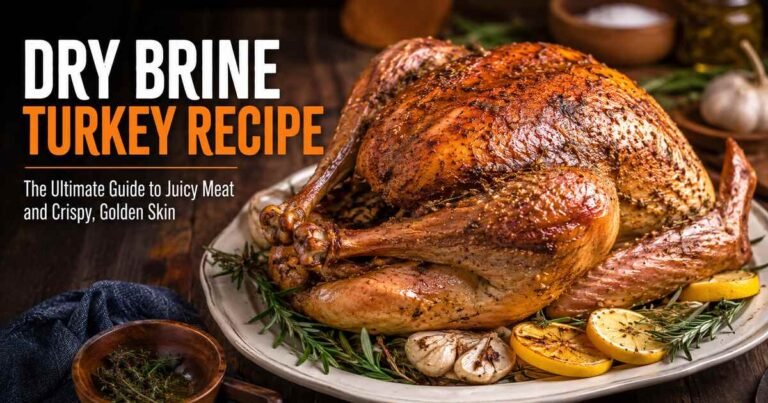
Roasted Turkey Brine
Use classic herbs, garlic, citrus, and brown sugar.
Smoked Turkey Brine
Use:
- Maple syrup
- Black pepper
- Garlic
- Bay leaves
- Apple cider
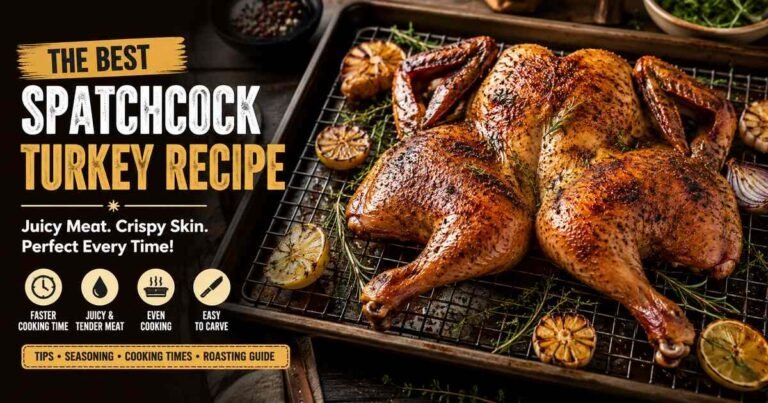
Spatchcock Turkey Brining
Spatchcocking helps the bird cook faster and more evenly. Reduce brining time slightly because more surface area contacts the brine.
How to Roast a Brined Turkey
Key Tips
- Pat turkey completely dry
- Rub skin with butter or oil
- Roast on a rack
- Use a digital meat thermometer
Safe Internal Temperature
Cook until the thickest part of the breast and thigh reaches 165°F.
Common Turkey Brining Mistakes to Avoid
| Mistake | Result | Fix |
| Warm brine | Unsafe | Cool fully first |
| Too much salt | Over-seasoned meat | Measure by salt type |
| Too long in brine | Mushy texture | Follow time chart |
| Wet skin before roasting | Poor browning | Air-dry uncovered |
| Partially exposed bird | Uneven brine | Weigh turkey down |
Equipment Checklist
- Large stockpot
- Brining bag or bucket
- Refrigerator space
- Rack and tray
- Paper towels
- Digital meat thermometer
Conclusion
If you want the best turkey brine recipe, focus on balance, timing, and technique. Use the correct salt-to-water ratio for turkey brine, keep the bird cold, and finish with the hybrid air-dry method for crispy skin. Choose dry brine vs wet brine turkey methods based on your needs, but remember that both can produce excellent results.
With the right process, you can serve a turkey that looks beautiful, slices cleanly, and stays juicy from the first bite to the last.
FAQs
1:How long should I brine a turkey overnight?
Most 12 to 16 lb turkeys benefit from 18 to 24 hours. Overnight works well for many birds.
2:Can I brine a frozen turkey?
No. Thaw the turkey first so the brine can penetrate evenly.
3:Should I use kosher salt or table salt?
Use kosher salt whenever possible. It offers better control and reduces oversalting risk.
4:Can I brine a turkey and then smoke it?
Yes. A smoked turkey brine works very well because the moisture helps protect the meat during long cooking times.
5:Do I need to rinse the turkey after brining?
Usually no. Pat it dry thoroughly unless the brine was very concentrated.
6:Does brining really make turkey juicier?
Yes. Proper brining improves moisture retention and texture significantly.